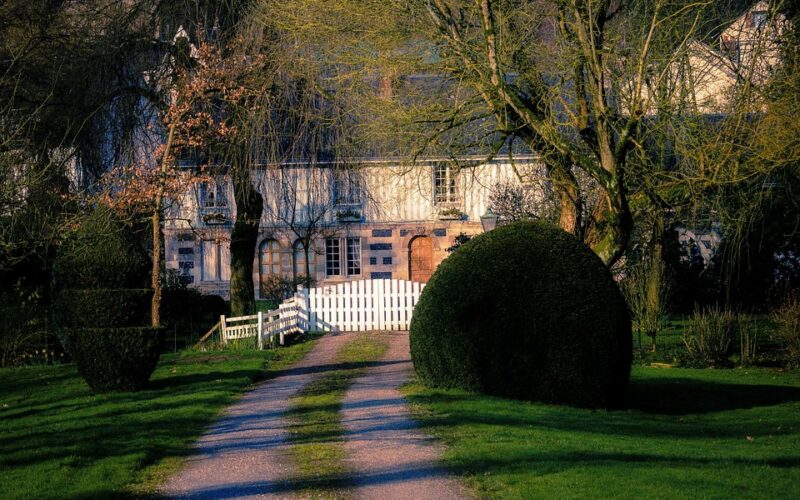
Your driveway is more than just a place to park your car; it's the first impression your home makes. Selecting the right material is a significant decision that balances aesthetics, durability, and budget. The ideal surface should complement your home's architecture, withstand the British weather, and meet your maintenance expectations. From the classic appeal of gravel to the robust nature of granite, understanding the options available is the first step towards creating a functional and welcoming entrance to your property.
An overview of common driveway materials
A wide array of materials can be used to create a driveway, each with distinct characteristics. Gravel is often the most budget-friendly choice, offering a rustic look and excellent natural drainage. Concrete is a versatile and durable option, available in various finishes and colours. Asphalt, or tarmac, provides a smooth, dark surface that is particularly resilient and cost-effective for large areas. Interlocking pavers, made from concrete or clay, allow for intricate patterns and designs, while natural stone setts like granite or cobblestone offer unparalleled beauty and longevity, albeit at a higher price point. Each material presents a different combination of cost, maintenance requirements, and visual appeal.
The practical choice of tarmac driveways
For many homeowners, tarmac driveways offer an unbeatable combination of durability and value. This material consists of crushed stone or aggregate mixed with bitumen, which is laid hot and compacted to form a hard-wearing, seamless surface. Its flexibility makes it resistant to cracking from frost heave, a common issue in colder climates. Tarmac is relatively quick to install, meaning less disruption to your home. While traditionally black, modern tarmac can sometimes be produced in different colours. Its smooth finish is ideal for families with children who use scooters or bikes and is easy to clear of snow and debris, making it a highly practical and long-lasting solution.
The modern appeal of resin bound driveways
A popular contemporary choice, resin bound driveways provide a sleek, smooth, and highly customisable finish. This system involves mixing decorative aggregate with a clear polyurethane resin. The mixture is then hand-trowelled onto a suitable sub-base to create a flat, durable surface with no loose stones. One of the primary advantages is its UV stability, which prevents the colour from fading over time. The wide range of available aggregates allows for endless colour combinations, enabling you to create a unique look that perfectly matches your home's exterior. The finish is not only attractive but also hard-wearing and easy to maintain.
Understanding permeable driveways and regulations
Drainage is a critical consideration for any driveway project. In response to increased flood risk, regulations in the UK often require planning permission for new or replacement driveways of more than five square metres if they use traditional, impermeable materials that direct rainwater into public drains. This is where permeable driveways offer a significant advantage. Materials like permeable block paving, gravel, and resin-bound surfaces are SUDS-compliant (Sustainable Urban Drainage Systems). They allow water to soak through the surface into the ground below, reducing runoff and easing the burden on the public drainage system. Choosing a permeable option can simplify the planning process and provides an environmentally responsible solution.
Making your final selection
Choosing the right driveway comes down to weighing your priorities. Consider the initial installation cost against the long-term maintenance needs of each material. A gravel drive may be cheap to install but will require regular raking and topping up. Natural stone is expensive but may last a lifetime with minimal care. Also, think about the style of your home; a modern property might be complemented by a sleek resin-bound surface, while a country cottage could be better suited to traditional pavers or gravel. By carefully evaluating aesthetics, durability, drainage, and cost, you can select a driveway that enhances your home's kerb appeal and serves your needs for years to come.